
15 ships from Hormuz reach Ctg port

- Update Time : Saturday, 7 March, 2026, 07:25 pm
- 10 Time View
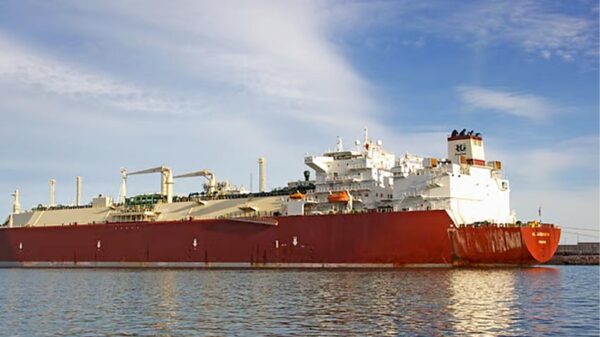
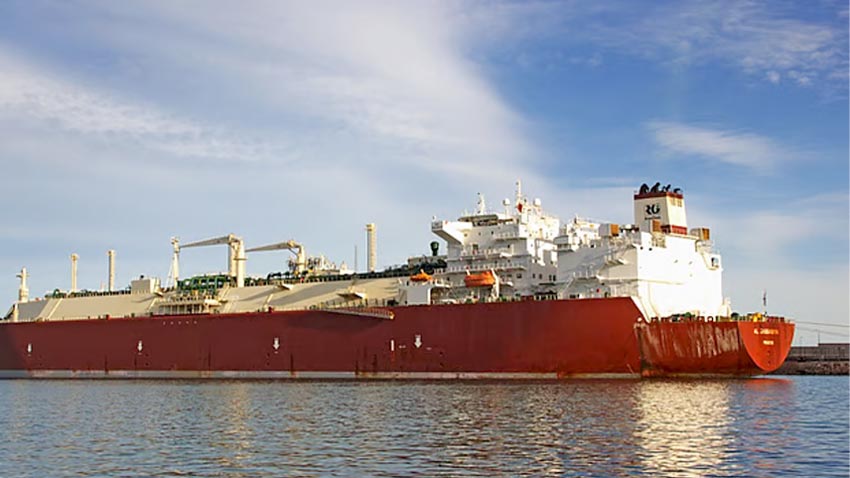
Online Desk : Fifteen cargo vessels that crossed the Strait of Hormuz and the Gulf of Oman before the outbreak of hostilities between the United States, Israel and Iran have begun arriving at Bangladesh’s Chattogram Port, easing immediate concerns over energy and industrial supply disruptions. According to port officials, 12 of the 15 ships have already reached Chattogram, while the remaining three are expected later this week. The vessels are carrying a combined cargo of roughly 750,000 tonnes, including liquefied natural gas LNG, liquefied petroleum gas LPG and clinker, a key raw material for the cement industry.
The shipments departed the Gulf region before the Strait of Hormuz was declared closed following joint US-Israeli strikes on Iran on February 28 and Tehran’s subsequent retaliation. The escalation has placed nearly one-fifth of global oil and LNG supplies at risk, given the strategic importance of the waterway. Of the 15 vessels, four are carrying LNG, two are loaded with LPG and nine are transporting clinker for Bangladesh’s cement sector.
Port data show that two LNG carriers, Al Joor and Al Jasasiya, have already arrived from Qatar with a combined cargo of 126,000 tonnes. Two additional LNG carriers, Lusail and Al Ghalayel, are scheduled to reach port waters on Monday and Wednesday respectively. Altogether, the four LNG ships are transporting about 247,000 tonnes. They departed Qatar’s Ras Laffan port two to seven days before the conflict escalated and crossed Hormuz prior to the shutdown.
Mohammad Nurul Alam, Senior Deputy General Manager of Uni Global Business Limited, the local agent for the LNG carriers, said arrival of the four ships is almost certain. However, another LNG vessel, Libertha, remains inside the Strait of Hormuz awaiting clearance to pass despite being fully loaded. He warned that uncertainty surrounds subsequent shipments if tensions persist. To avert potential supply shortages, the government has also purchased two additional LNG cargoes from the open market at higher prices. Those vessels have yet to arrive.
In the LPG segment, the vessel Seven is expected to dock on Sunday carrying 22,172 tonnes of LPG from Sohar port in Oman. Another LPG carrier, GYMM, previously arrived with 19,316 tonnes from the same port before the conflict began. Together, the two shipments account for nearly 35,000 tonnes of LPG consigned to Meghna Fresh LPG, a subsidiary of Meghna Group of Industries. Additionally, the vessel Bay Yasu arrived on Thursday from Kuwait’s Shuaiba port carrying 5,000 tonnes of monoethylene glycol MEG, an industrial chemical used in manufacturing.
Several other vessels have brought clinker, gypsum, limestone and stone from Gulf countries, totaling approximately 515,000 tonnes of raw materials for the cement industry. Bangladesh relies heavily on the Strait of Hormuz for trade with Iraq, Iran, Qatar, Kuwait, Bahrain, the United Arab Emirates and Saudi Arabia. In the 2024-25 fiscal year, imports routed through the strait amounted to about 6 billion US dollars, the majority comprising energy products.
Industry insiders caution that while current shipments offer temporary relief, prolonged instability in the Gulf could disrupt future cargo movements, posing risks to Bangladesh’s energy security and industrial production.