Time to raise voice

- Update Time : Monday, 11 May, 2026, 02:09 pm
- 89 Time View


M Mujibur Rahman : Bangladesh has made notable progress in women’s empowerment through constitutional guarantees, legal reforms, and national policies aimed at promoting gender equality and protecting women’s rights. Important legal frameworks such as the Domestic Violence (Prevention and Protection) Act 2010, the Women and Children Repression Prevention Act, and successive National Women Development Policies have strengthened institutional commitments toward gender justice. Despite these advancements, gender-based violence (GBV), child marriage, sexual harassment, cyber violence, trafficking, and discrimination continue to pose serious challenges across the country. Deep-rooted patriarchal social norms, limited access to justice, delayed legal procedures, weak enforcement of laws, and social stigma remain major barriers to achieving meaningful gender justice and survivor protection.
Recent statistics reveal an alarming situation regarding violence against women and girls in Bangladesh. According to human rights organizations and police data, thousands of incidents of domestic violence, rape, attempted rape, dowry-related violence, and child abuse were reported during 2024–2025. Nationally, more than 17,500 cases were filed under the Women and Children Repression Prevention Act, while over 1,500 documented incidents of violence against women and children were recorded by rights monitoring organizations. Reports also indicated more than 550 rape cases, including gang rape and child rape cases, although experts believe the actual number is significantly higher due to underreporting. In the Khulna Division alone, hundreds of GBV incidents, including domestic violence, sexual abuse, and child marriage cases, were reported through district legal aid offices, police stations, and civil society monitoring systems, highlighting the urgent need for stronger prevention and response mechanisms in southern Bangladesh.
In response to these growing concerns, Nice Foundation and the Southern Women Feminist Network (SoWFeN) have undertaken significant interventions over the last year to strengthen feminist leadership, promote survivor-centered justice, and enhance community awareness on GBV prevention. Their initiatives included community dialogues, legal awareness campaigns, youth engagement sessions, training workshops, survivor support referrals, media advocacy, and stakeholder consultations involving women, adolescents, journalists, religious leaders, local government representatives, and law enforcement agencies.
SoWFeN, coordinated by Nice Foundation, currently works through 11 partner organizations across southern Bangladesh to advance women’s rights, minority women’s property rights, sexual and reproductive health rights, and inclusive gender justice. Their interventions have directly reached thousands of women, youth, and marginalized communities while strengthening coordination with district legal aid committees, women and child protection committees, police departments, and local administration structures.
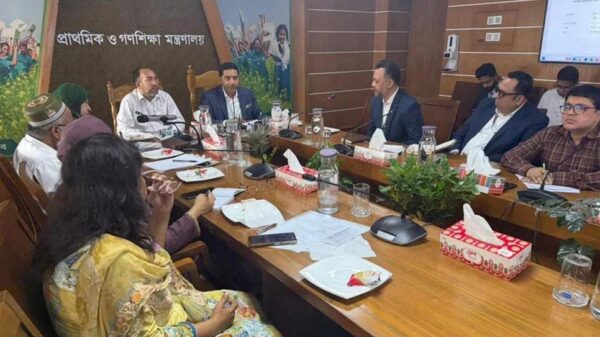
As part of its ongoing advocacy efforts, Nice Foundation organized a divisional-level media advocacy dialogue in Khulna in December 2025 ahead of the national election. Political candidates participating in the event committed that, if elected, they would work toward reforming GBV-related laws and ensuring stricter implementation to reduce violence against women and marginalized groups. Building on this momentum, Nice Foundation is going to organize another high-level advocacy dialogue in Khulna on 14 May 2026 involving policymakers, Members of Parliament, divisional government officials, district and Upazila authorities, local elected representatives, print and electronic media professionals, Bangladesh Betar representatives, academics, NGO leaders, network members, police officials, retired judges, religious leaders, survivors, transgender representatives, persons with disabilities, and youth leaders. A total of 40 distinguished professionals are expected to participate. During the previous dialogue, the Chief Guest MP Candiadate nazrul Islam Monju emphasized the urgency of collective action by stating, “GBV is no longer an isolated issue; it has become a disease of society that we must confront and prevent together.” He added, if his party wins he will help and support to execute the laws and initiate to reduce GBV.