Bangladeshi scientists generate first single cell genomic data

- Update Time : Wednesday, 20 March, 2024, 02:44 pm
- 224 Time View
Online Desk: A group of Bangladeshi scientists have achieved a significant milestone by generating the first single-cell genomic data from Bangladesh for the Human Cell Atlas.
Funded by the Chan Zuckerberg Initiative, the ‘Global Pediatric Cell Atlas of Nasal and Oral Mucosa’ project aims to create a pediatric atlas of the nasal and oral mucosa. Researchers at the Child Health Research Foundation (CHRF) in Bangladesh are collecting and processing samples from children with and without viral infections in rural areas. The research was in collaboration with partners from Harvard University, MIT, and Boston Children’s Hospital.
Single-cell genomics is a cutting-edge technology that allows scientists to study individual human cells, providing insights into how they function and develop. According to CHRF, this initiative is crucial because most genomic data come from Western countries. By including Bangladesh, scientists can gather representative data from both the global North and South, aiding in the equitable development of vaccines and therapies.
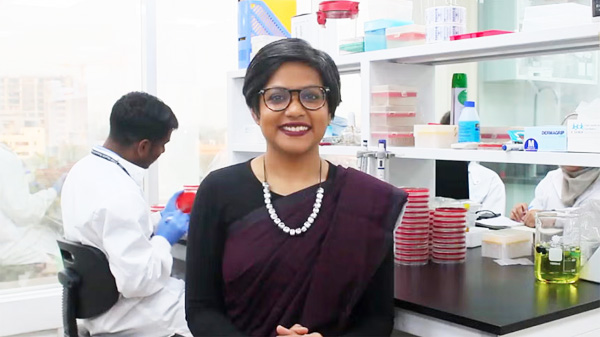
Dr. Senjuti Saha, Deputy Executive Director and Senior Scientist at CHRF, expressed excitement about the achievement on Facebook. “Oral and nasal mucosa serve as the primary interfaces for environmental and microbial interactions but lack detailed data across diverse ancestries. This project will not only enhance our understanding of pediatric nasal and oral mucosa at a cellular level but also significantly contribute to Human Cell Atlas data from South Asia” wrote, Dr. Senjuti on her verified Facebook account.